
At a glance
Operator: Tencent
Documented status: Operating facility described in Tencent’s environmental disclosure
What the sources establish
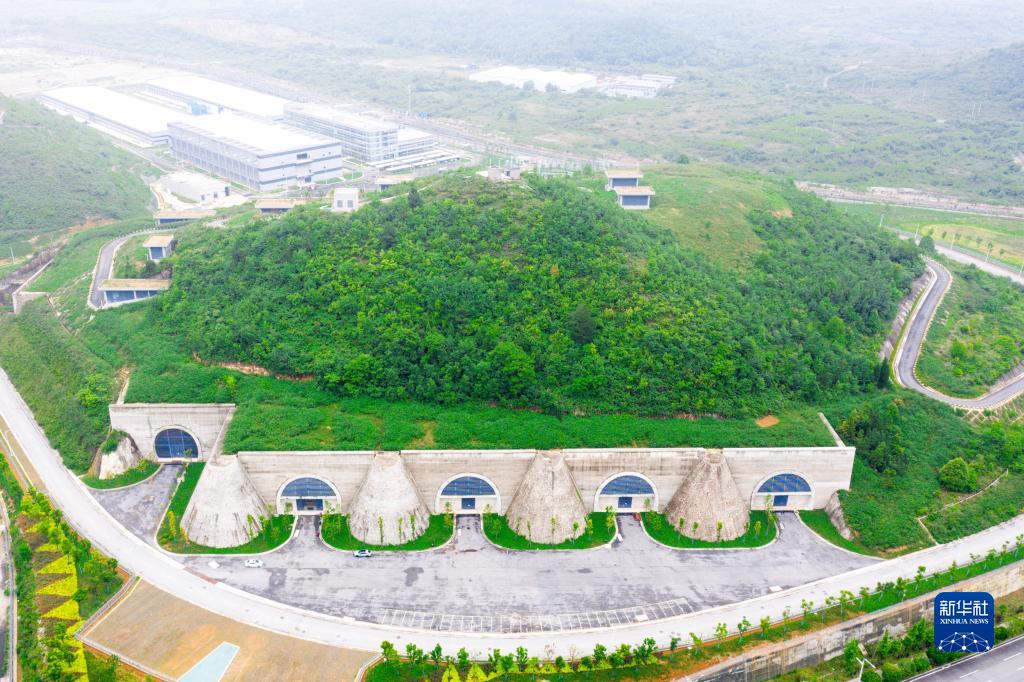
Tencent’s environmental disclosure describes the Gui’an Seven Star, or Qixing, data center as a cave-based facility designed to take advantage of naturally cool conditions and reduce air-conditioning energy. The document places this example within the company’s approach to site selection and lower-energy operations. Tencent: Data Centres — environmental disclosure
This is a distinct Tencent facility. It should not be confused with Huawei Cloud’s Gui’an campus or NetEase’s Gui’an data center, which are covered separately in this series.
What the case helps explain
The value of a location depends on how its physical conditions connect with the facility design. A naturally cool setting can reduce some cooling requirements, but engineering teams still need to address airflow, moisture, maintainability, resilience and the operating envelope of the installed equipment.
For a project assessment, a description of favorable ambient conditions is a starting point. The more useful evidence is how the completed thermal system behaves under load and how operators maintain it through seasonal changes. This case is best read as a site-integration example rather than a template that can be copied without local engineering.
Evidence and comparison limits
No current site PUE, rack count or AI accelerator inventory is established by this profile. Tencent’s corporate energy targets are not presented as this facility’s measured result.
What to follow
Seek updated site-level thermal, water and operating-efficiency data, with the measurement boundary clearly stated.
Original information and official project sources
Open the underlying operator material, public-authority disclosure or certification register below. Source dates and reporting periods are separate from this profile’s publication date.
Tencent: Data Centres — environmental disclosure ↗Source date / reporting period: 2021 reporting year; file published 2022-04 · Reviewed 23 October 2026