
EDITOR’S SELECTION · ANALYSIS
When AI power becomes deliverable
A project’s megawatt headline becomes useful when it can be tied to a service date, operating conditions and evidence. Ahead of OCP, those connections deserve closer scrutiny.
EDITOR’S SELECTION · ANALYSIS
A project’s megawatt headline becomes useful when it can be tied to a service date, operating conditions and evidence. Ahead of OCP, those connections deserve closer scrutiny.
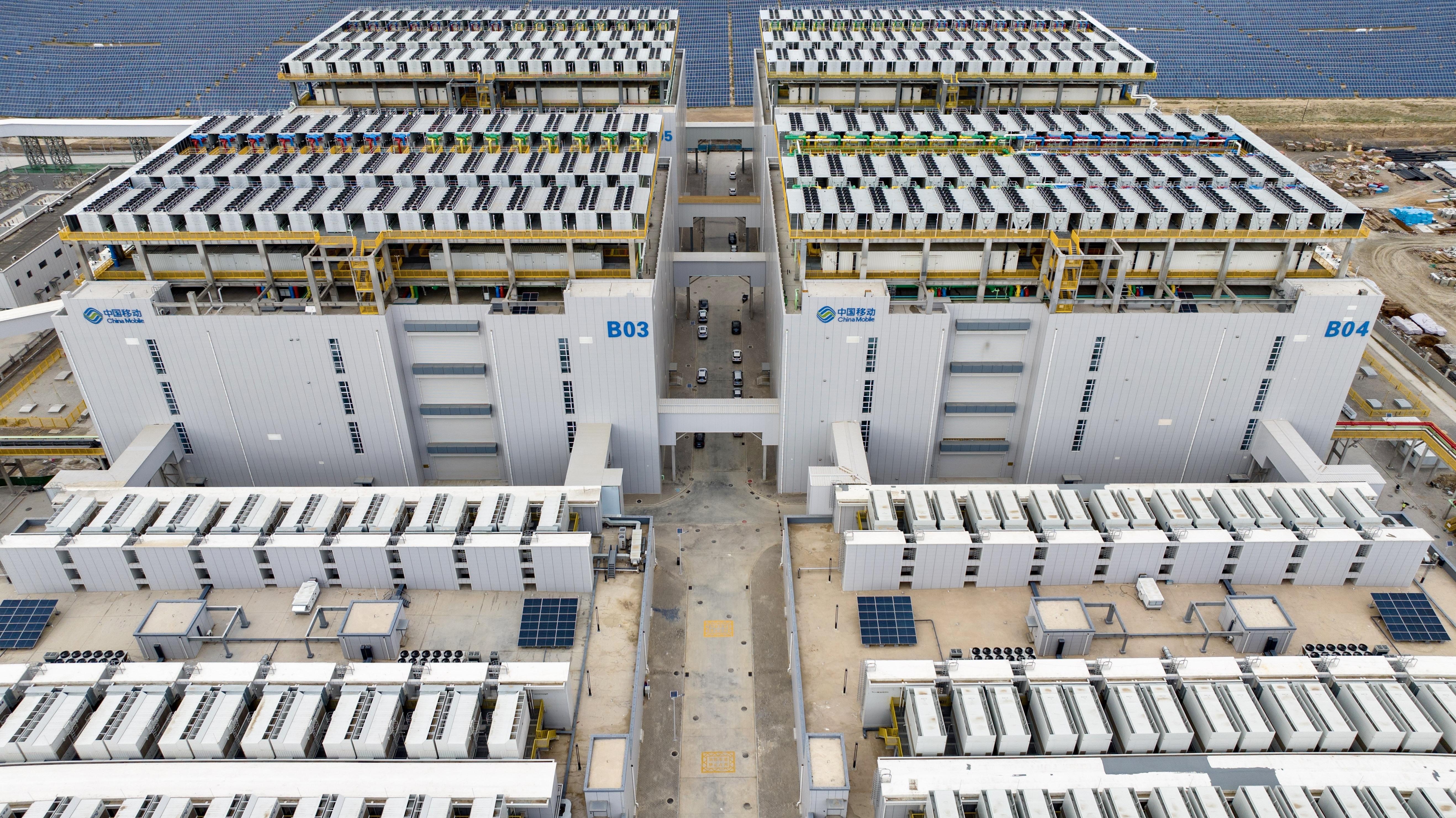
China’s AI computing expansion is entering a new phase. Beyond adding capacity, the next challenge is turning infrastructure investment into usable computing power and sustainable commercial value. This article examines the shift from construction scale to operational performance—and what it means for China’s AI infrastructure sector.
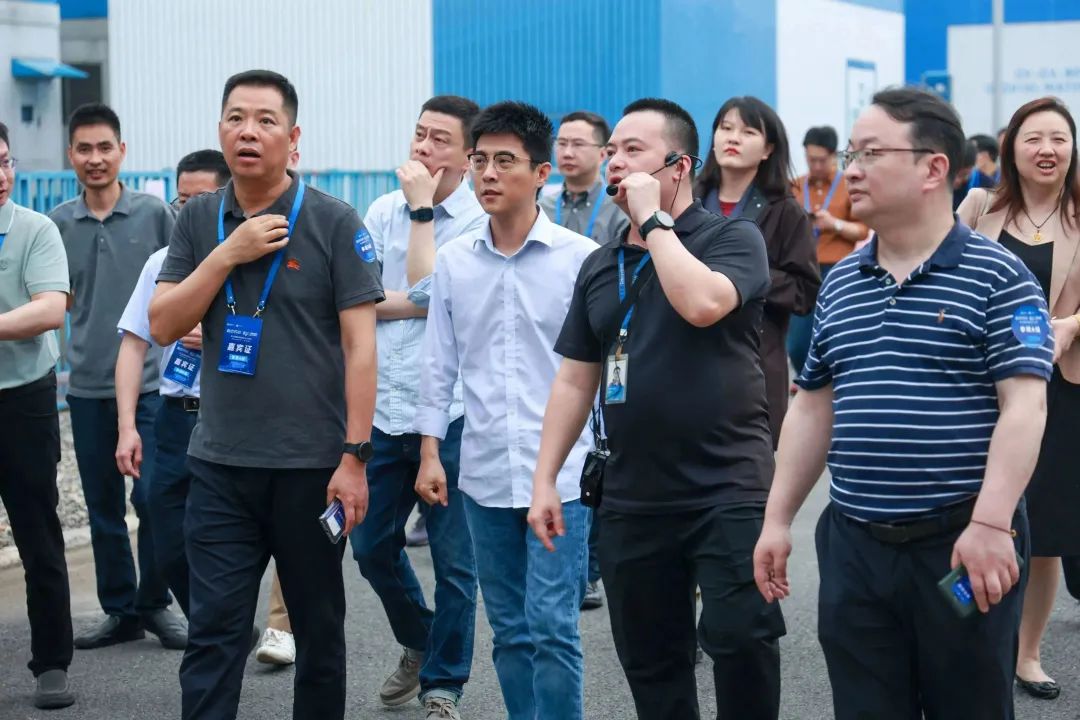
Tencent’s Qingxin campus provides a concrete example of modular infrastructure moving from pilot deployments to a large operating facility.
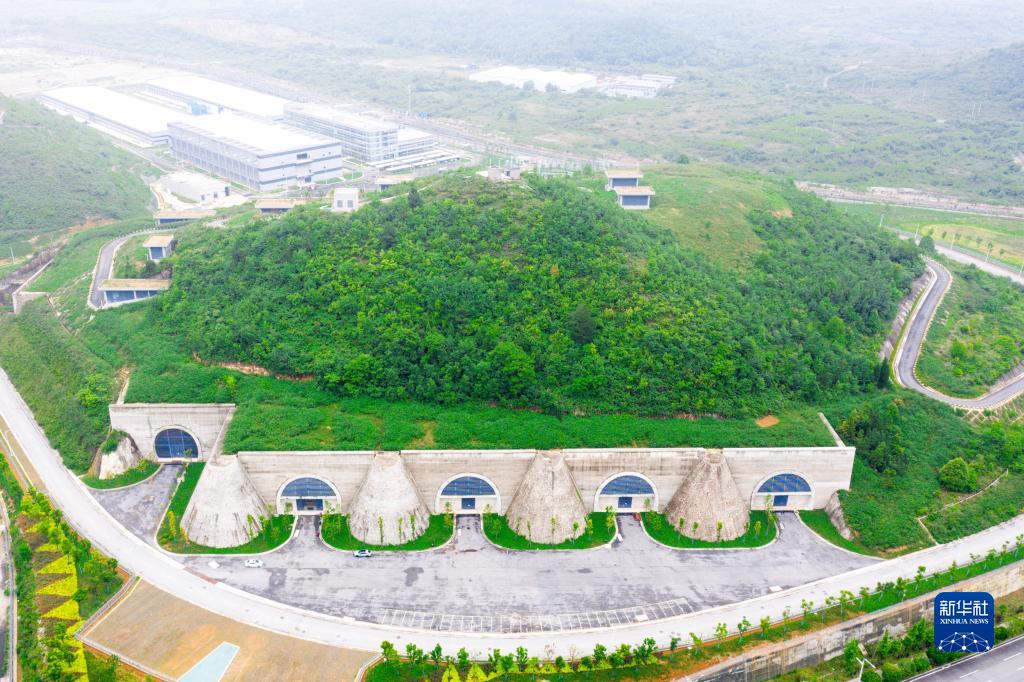
Tencent’s cave-based Qixing facility shows how site conditions can become part of a data center’s thermal strategy.
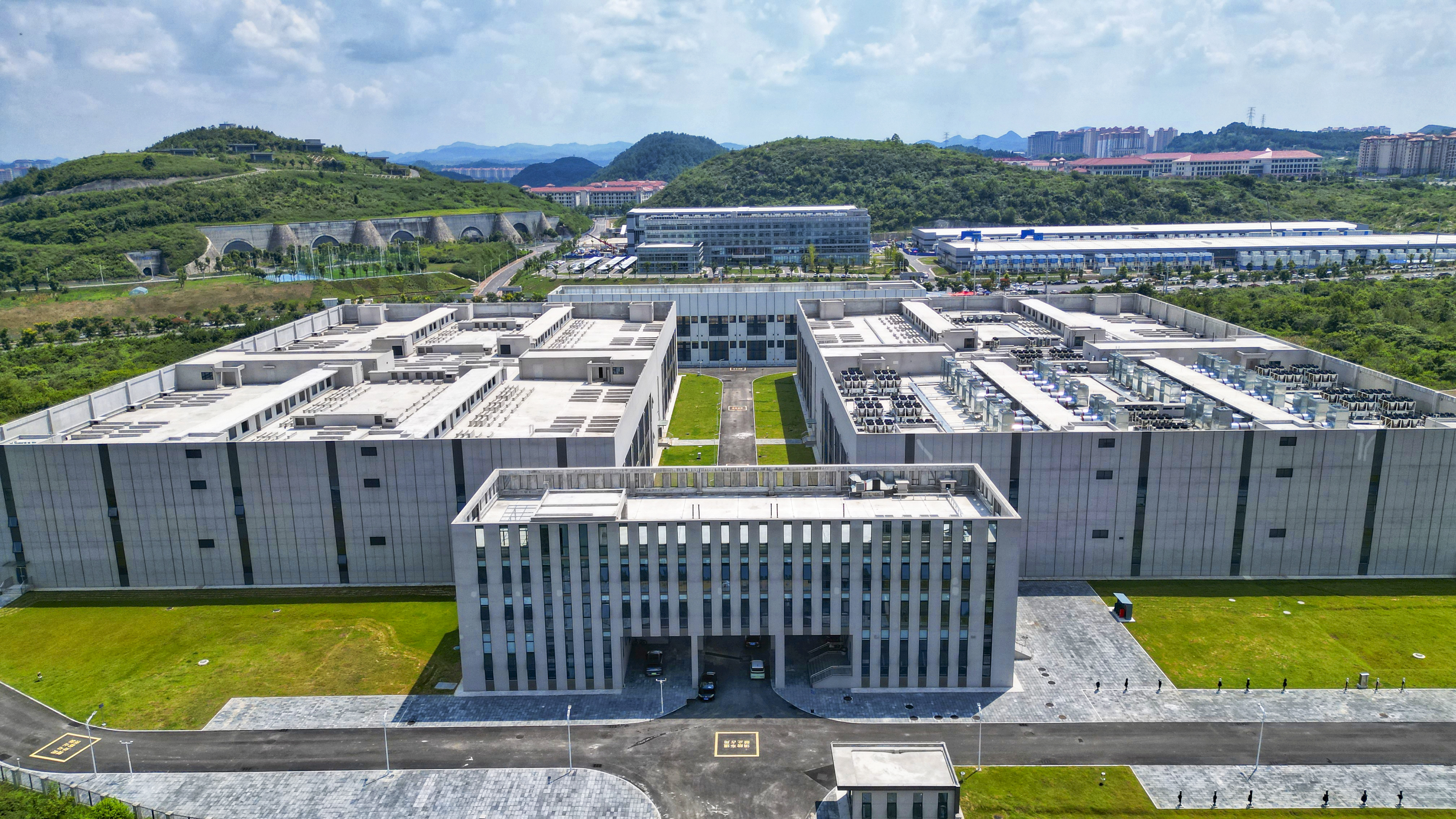
NetEase’s Gui’an disclosure provides an annual operating-efficiency measure, complementing the project and commissioning evidence elsewhere in this series.
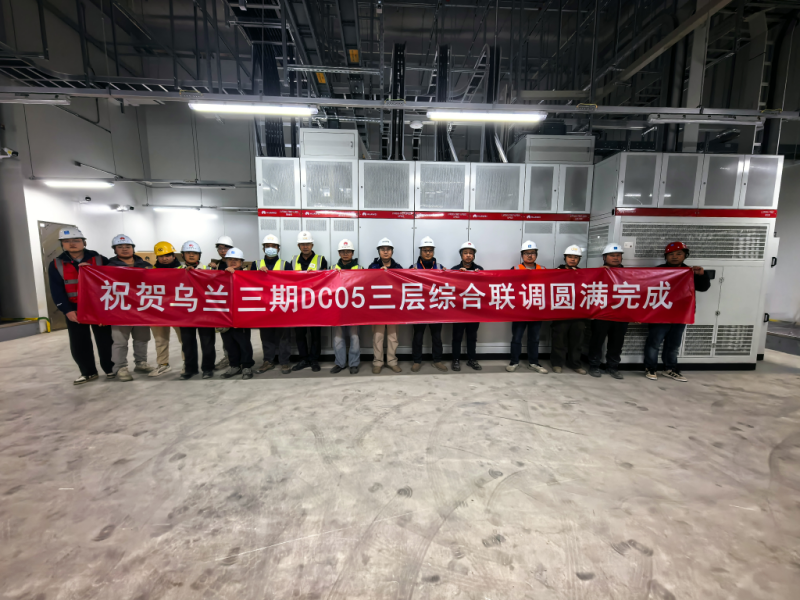
Ulanqab offers a view of a northern computing location through both service disclosures and physical network-access documentation.

Huawei’s Gui’an disclosures connect cooling and power engineering with the delivery of AI cloud services.
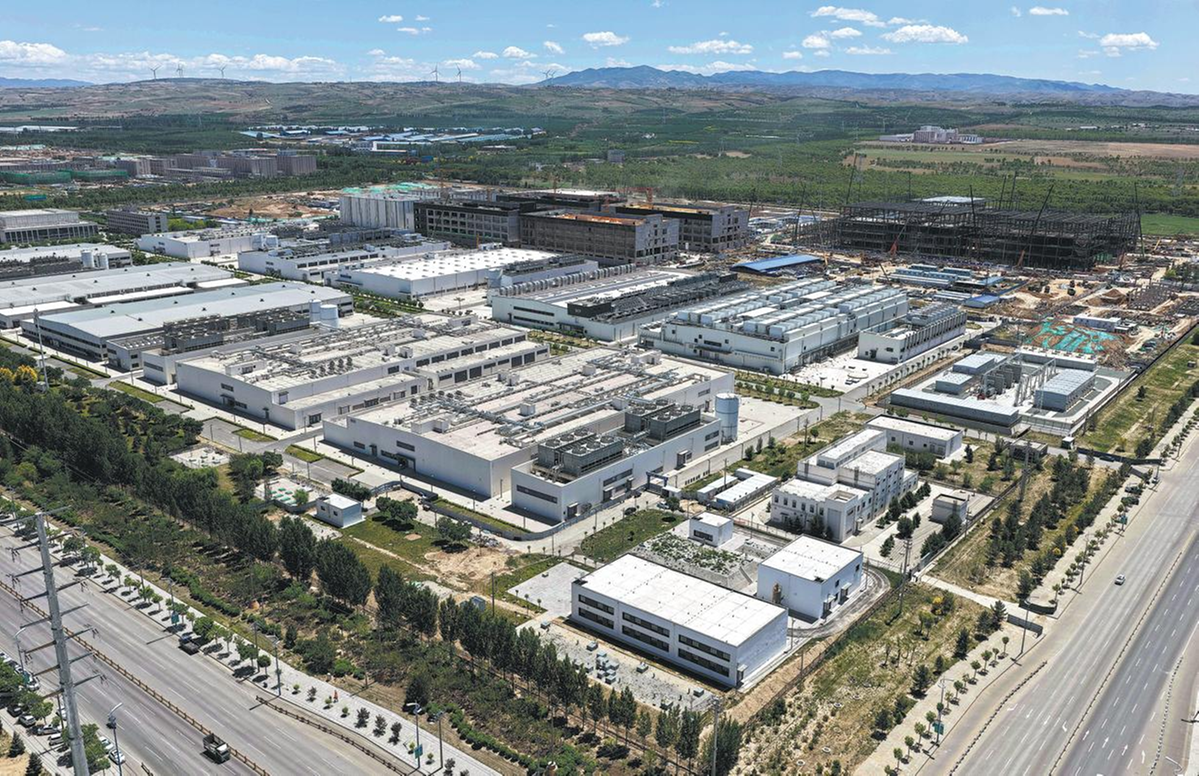
Hohhot is a documented large-scale AI computing deployment, with operator disclosures that extend beyond a general data center construction announcement.
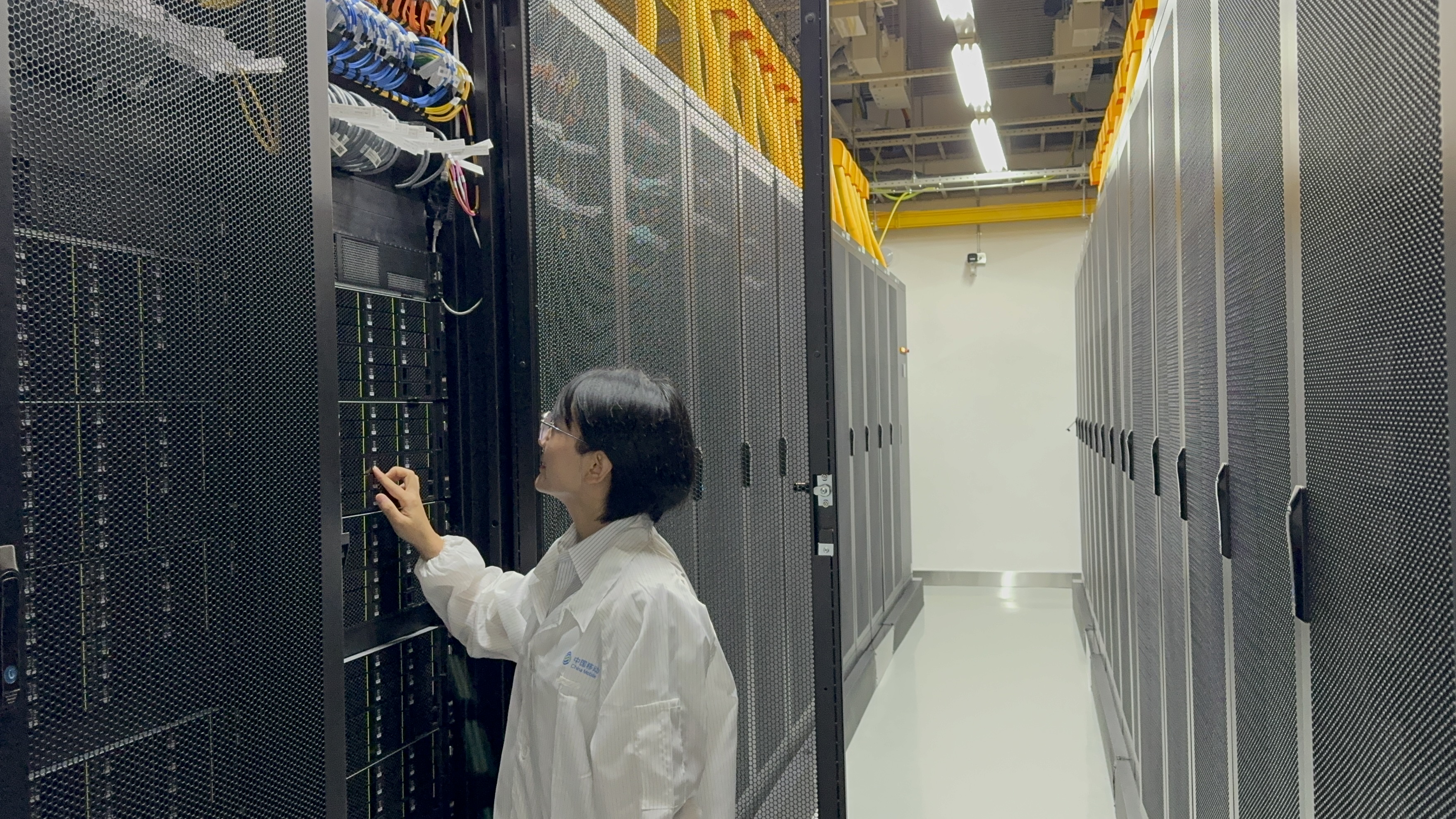
Harbin shows why commissioning evidence should be read alongside information about distributed training and operational control.
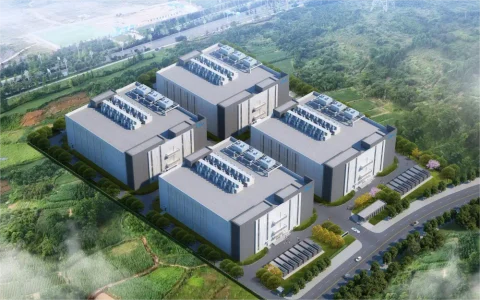
China’s computing infrastructure strategy offers practical lessons in power-aware site selection, integrated facility engineering and performance measurement. Their usefulness depends on local market conditions and careful interpretation of efficiency data.
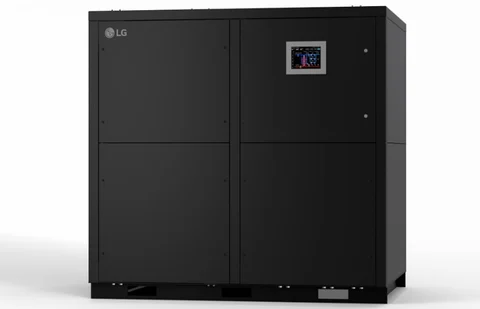
DSX Ready applies to qualified infrastructure offerings. Site acceptance still needs to establish how the installed cooling system performs under project-specific thermal, hydraulic and operating conditions.

South Korea’s large-load application figures show why power access and delivery schedules matter to data center development. Requested megawatts and cumulative approval ratios must be distinguished from financed projects and eventual approval probabilities.
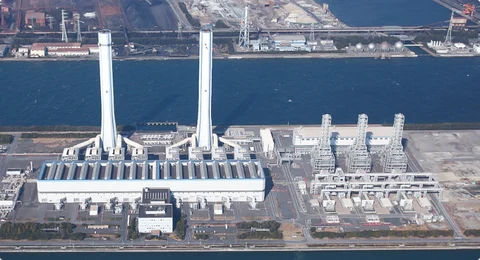
JERA, Dell Technologies and RHAELM are developing a repeatable AI infrastructure framework around a planned project at Chiba Thermal Power Station. Its proposed use of existing generation highlights the role of time to power in development decisions.
AI INFRASTRUCTURE REVIEW PRESENTS
Where AI compute meets power infrastructure.
POWER · COMPUTE · DATA CENTERS
NEW EDITORIAL COLLECTION
Explore ten Chinese facilities, with engineering context, illustrations and links to original information.
Conceptual technical explainer; not a statistical data series. Units: not applicable. Source review: 1 October 2026.
Read source article →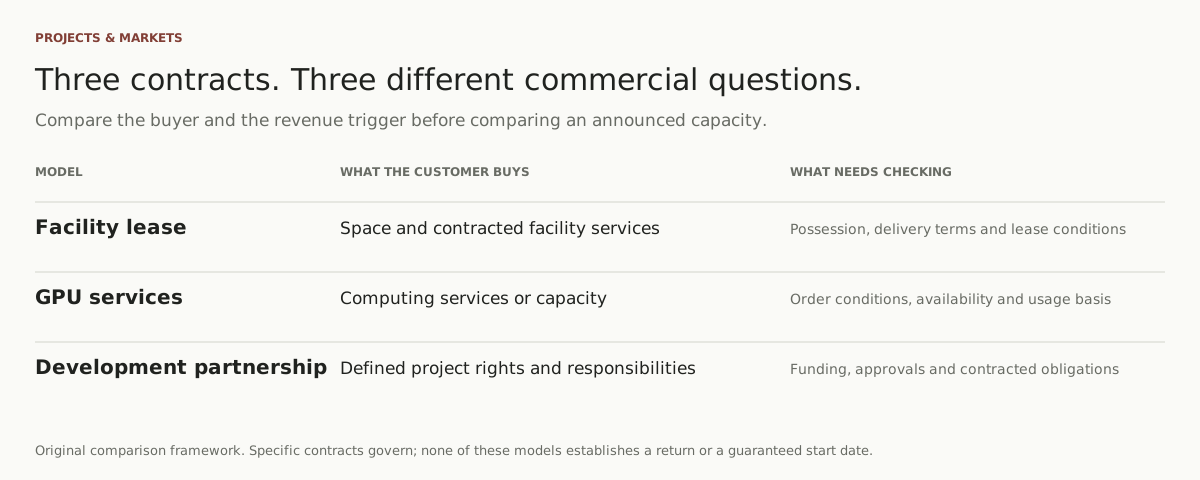
Conceptual technical explainer; not a statistical data series. Units: not applicable. Source review: 1 October 2026.
Read source article →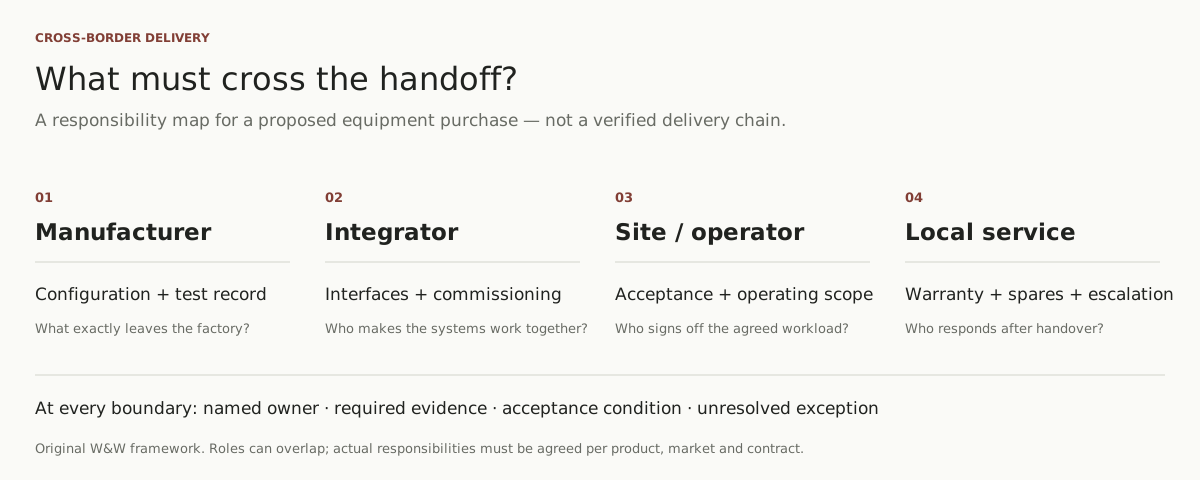
Conceptual technical explainer; not a statistical data series. Units: not applicable. Source review: 1 October 2026.
Read source article →Follow our publication and discuss editorial or research questions.
A megawatt headline is only the beginning. The useful evidence connects capacity, operating conditions and a service date.
Read the analysis →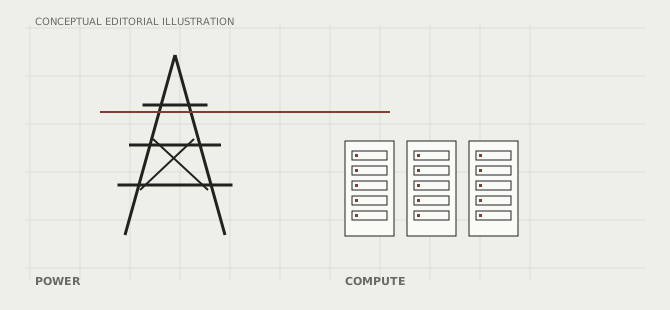
Independent analysis across China and international markets, for buyers, delivery partners and project teams.
For European and other overseas buyers, a comparable quotation needs a defined configuration, an accountable delivery chain and evidence that survives arrival on site.
Chinese equipment suppliers entering a new market need a country-specific product package, a workable local service arrangement and a commercial plan for the first installation.
A facility lease, a GPU-service order and a developer partnership create different customers, capital needs and routes to revenue. Three disclosed arrangements show why the distinction matters.
A cooling system can meet its component specifications and still leave a project with an unresolved handover. The practical question is who accepts responsibility when equipment, fluid and operating decisions cross supplier boundaries.
A project needs an agreed way to establish when installed infrastructure can support its intended workload. That definition should connect facility evidence, computing behavior and operating ownership before the final handover.
Choose the question closest to the work in front of you.
Compare supplier evidence, delivered scope and local handover responsibilities.
Read the procurement guideDiscuss a requirementDefine the target market, partner role, service obligations and evidence needed for a first project.
Read the delivery guideDiscuss a partnershipSeparate documented progress from power, demand, cost and revenue-start assumptions.
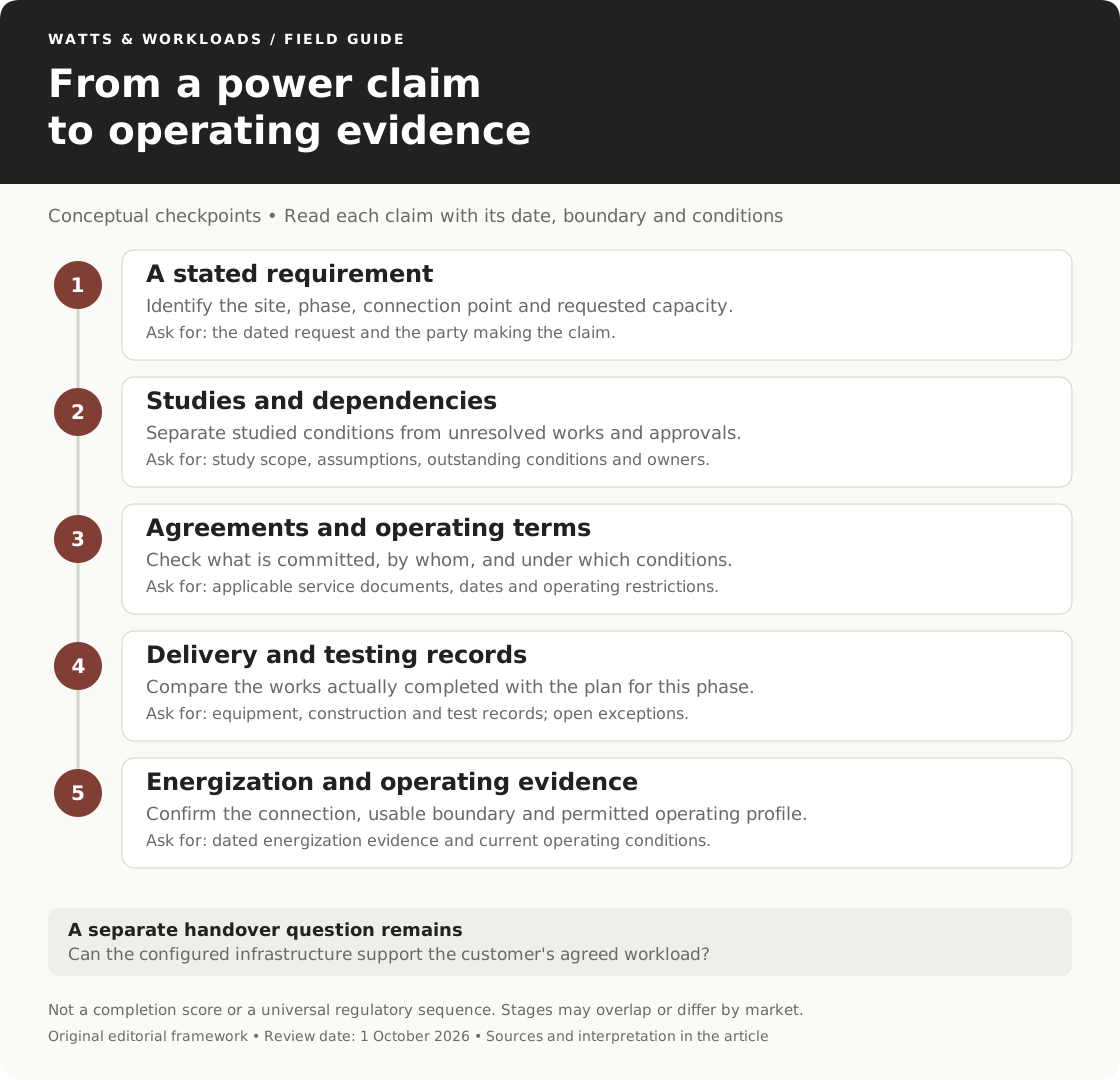
Compare the project modelsDiscuss a research questionFollow the documents, conditions and responsible parties from the stated requirement to operating evidence.
Explore the evidence checkpoints12–15 October · San Jose. A reading guide across power, cooling, compute acceptance and commercial roles.
Read the OCP guideEight companies across four infrastructure stages, with source links and direct official contact routes. BC Technology’s profile is separately disclosed.
Explore the company profiles