
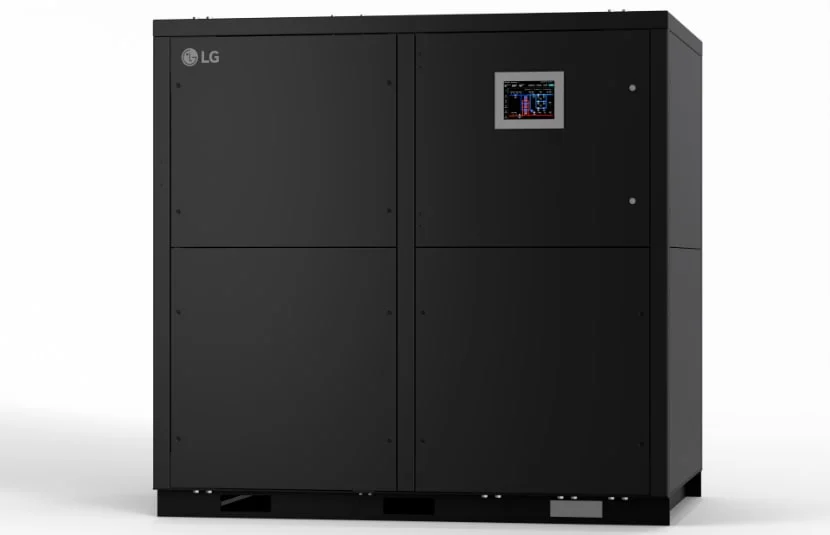
NVIDIA's DSX Ready program provides a qualification framework for infrastructure products supporting its AI factory reference designs, including specific coolant distribution unit (CDU) offerings from LG Electronics, LiquidStack and Vertiv.
But a qualified CDU does not automatically mean the installed cooling system will perform as required.
For AI data center developers and operators, particularly as China expands its liquid-cooled AI infrastructure, the distinction matters.
A CDU's actual performance depends on more than the equipment itself. Facility piping, coolant properties, hydraulic conditions, control sequences and heat-rejection systems all influence how the integrated system behaves.
From an engineering perspective, three areas deserve particular attention during site acceptance:
- Duty-point capacity — Can the installed system deliver the required thermal and hydraulic performance under agreed operating conditions?
- Load-step response — How does the cooling system respond when IT heat loads change rapidly, and how quickly does it recover?
- Pump failover — Where redundancy is designed into the system, what happens to flow, rack temperatures and IT performance when a pump fails?
These are project-level engineering considerations, not additional NVIDIA DSX Ready qualification requirements.
Thermal load emulators can help validate cooling-system responses, but they do not necessarily demonstrate how actual GPUs will behave during a disturbance.
The broader lesson is straightforward: product qualification helps establish equipment suitability; commissioning demonstrates whether the installed system meets its performance requirements.
As liquid-cooled AI infrastructure scales in China and globally, that distinction deserves more attention.
Sources
- NVIDIA — DSX Ready program and FAQ — Live page; publication date not specified.
- Vertiv — CoolChip CDU qualification announcement — 2026-09-21.
- LG Electronics — CDU qualification announcement — 2026-09-22.
- LiquidStack — official company post on qualified CDU offerings — Relative date shown; no absolute publication date inferred.